
Shrubs
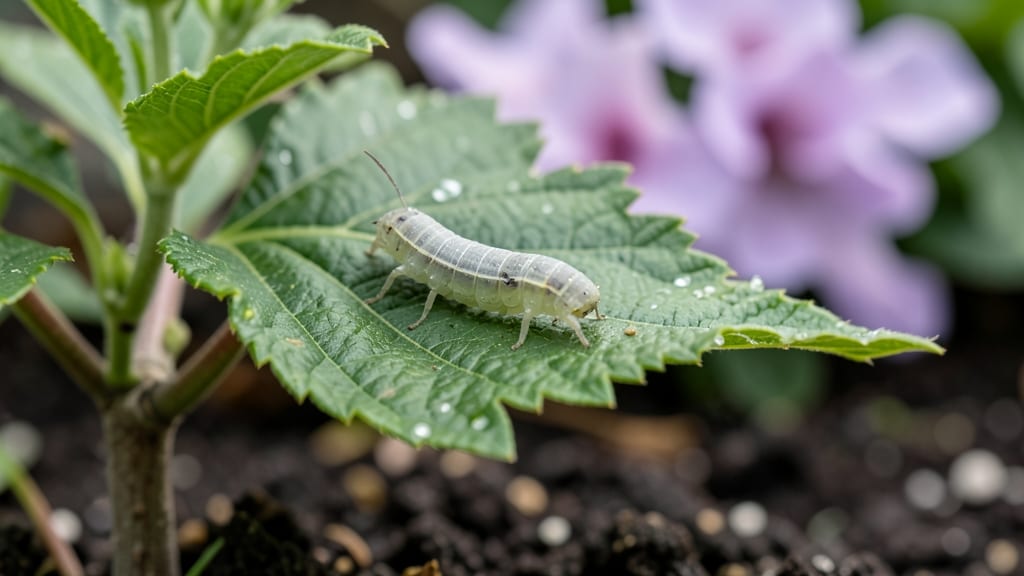
Those relentless rose of Sharon insects—Japanese beetles and spider mites—can strip your shrub bare in days unless you act fast. 🌿 I’ve battled these pests head-on, and the right organic spray stops them in their tracks within 24 hours, saving your shrub’s stunning summer blooms.
The key is acting early and targeting the right insects. Spider mites hide on the undersides of leaves, while Japanese beetles chew in broad daylight. A mix of neem oil and insecticidal soap disrupts their life cycles, but timing matters—apply when pests are active and leaves are dry.
By next morning, you’ll see fewer skeletons and more vibrant foliage. The plants rebound faster than you’d expect, and the blooms return thicker than before. This isn’t just damage control—it’s a reset for your shrub’s health.
Works for established shrubs in zones 5-9, and the same spray tackles aphids too. Let’s get those pests off your plants for good.
Root Causes of Pest Infestations
Understanding why insects target your Rose of Sharon (Hibiscus syriacus) is the first step to effective, long-term control. These shrubs are resilient, but their lush foliage and sweet nectar make them a magnet for pests.
Below, we break down the key reasons these insects show up—and how their behavior ties directly to your plant’s health.
When your Rose of Sharon is struggling, it becomes an easy target.
Pests like aphids, spider mites, and Japanese beetles thrive on weakened plants because: - Poor air circulation from dense foliage traps moisture, creating a cozy environment for insects. - Nutrient deficiencies (often from compacted soil or overwatering) make leaves less tough, inviting pests to feed. - Root stress from drought or overwatering weakens the plant’s natural defenses, making it easier for insects to invade.
Actionable fix: Prune regularly to improve airflow and test soil pH (ideal range: 6.0–7.0). Mulch with organic matter to retain moisture without waterlogging roots.
Some insects, like aphids, scale insects, and whiteflies, are drawn to the sweet sap and nectar of new growth on Rose of Sharon.
Here’s why: - New leaves and flowers produce sticky honeydew, a favorite food source for sap-sucking pests. - Over-fertilization with nitrogen (especially fast-release types) can make leaves even more appealing to insects. - Honeydew buildup (a byproduct of feeding) attracts ants and sooty mold, compounding the problem.
Actionable fix: Use a balanced fertilizer (10-10-10 or 12-12-12) and avoid excessive nitrogen. Prune spent blooms promptly to reduce nectar production.
Pests often arrive in waves due to seasonal changes, weather patterns, or nearby infestations.
Common triggers include: - Warm, humid summers 🌡️: Ideal for spider mites and whiteflies to multiply rapidly. - Drought stress 💧: Weakened roots attract borers and bark beetles. - Nearby infested plants 🌿: Japanese beetles, for example, can fly up to 5 miles to find host plants like Rose of Sharon. - Winter dieback ❄️: Damaged branches from frost create entry points for bark-eating insects.
Actionable fix: Monitor weather forecasts and water deeply but infrequently (1–2 inches per week) to avoid drought stress. Remove fallen leaves/debris where pests may overwinter.
While some insects (like ladybugs and lacewings) prey on pests, their populations can dwindle due to:
- Overuse of broad-spectrum pesticides 🚫, which kill beneficial insects along with pests.
- Monoculture gardening (planting only Rose of Sharon without diversity), reducing habitat for predator species.
- Seasonal die-offs of natural enemies (e.g., ladybugs hibernate and may not return in time).
Actionable fix: Introduce companion plants like marigolds or dill to attract predator insects. Avoid chemical sprays—opt for targeted organic treatments (like neem oil) to preserve the ecosystem.
Improper pruning can accelerate pest problems by:
- Creating wounds where boring insects (like emerald ash borers) can lay eggs.
- Leaving behind diseased or dead wood, which attracts beetles and fungi.
- Encouraging dense growth, trapping moisture and pests.
Actionable fix: Prune in late winter/early spring (before new growth) using sterilized tools. Remove no more than 25% of the plant per year and dispose of clippings in sealed bags.
Some pests, like Japanese beetles and gypsy moths, are non-native invaders with no natural predators in North America.
They exploit: - Lack of evolutionary defenses in native plants like Rose of Sharon. - Urbanization, which fragments habitats and spreads infestations faster. - Global trade, unintentionally introducing new pests to regions.
Actionable fix: Report severe infestations to local agricultural extensions—they may organize community-wide treatments. Plant native alternatives (like butterfly bush) to support local ecosystems.
The sooner you spot signs (sticky residue, chewed leaves, or tiny eggs on undersides), the easier it is to contain the problem.
Inspect your Rose of Sharon weekly during peak growing seasons (spring–fall) for: - Holes in leaves (Japanese beetles, caterpillars). - White webbing (spider mites). - Shell-like bumps (scale insects). - Sawdust-like frass (borers).
Quick Fixes for Common Pests
When your Rose of Sharon shrubs become a buffet for insects, acting fast is key! Below are targeted solutions for the most common pests, paired with prevention tips to keep your shrubs thriving. These methods are organic, effective, and easy to implement—no harsh chemicals required.
Signs: Sticky residue (honeydew), curled leaves, or clusters of small green/black bugs.
How to Fix It: 🔥 Blast Them Off – Use a strong stream of water (early morning) to dislodge aphids from leaves and stems. 🍳 Soapy Spray Solution – Mix 1 tsp mild liquid soap + 1 quart water in a spray bottle. Apply directly to infested areas. 👨🍳 Neem Oil Treatment – Spray 1 tbsp neem oil + 1 tsp soap + 1 quart water on both leaf surfaces. Reapply every 3-5 days until gone. ⏰ Best Time to Treat: Early morning or late evening (avoid direct sunlight).
💡 Prevention Tips:
- Encourage natural predators like ladybugs and lacewings by planting marigolds or dill nearby.
- Prune regularly to improve airflow and reduce aphid hiding spots.
Signs: Fine webbing, speckled yellow leaves, or tiny moving dots (use a magnifying glass!).
How to Fix It: 🔥 Wipe Down Leaves – Use a damp cloth to physically remove mites (especially on undersides). 🥘 Horticultural Oil Spray – Apply 1 tbsp oil + 1 tsp soap per quart of water and spray thoroughly. Repeat every 5-7 days. 🔪 Blast with Water – Spider mites hate humidity—a gentle hose spray can knock them off temporarily. ✨ Reflective Mulch Hack – Cover the soil with white gravel or reflective mulch to disorient mites with light.
💡 Prevention Tips:
- Water deeply and frequently (mites thrive in dry conditions).
- Avoid over-fertilizing—too much nitrogen attracts them.
Signs: Brown/white bumps on stems/leaves, sticky honeydew, or sooty mold (black fungus).
How to Fix It: 🔥 Scrape Them Off – Use a soft brush or cotton swab dipped in rubbing alcohol to wipe off scales. 🍳 Diatomaceous Earth (DE) Dust – Lightly dust food-grade DE on infested areas (reapply after rain). 👨🍳 Beneficial Insects Release – Introduce parasitic wasps or ladybugs (available at garden centers). 🥘 Homemade Oil Spray – Mix 2 tbsp vegetable oil + 1 tsp soap per quart of water. Spray every 7 days for 3 weeks.
💡 Prevention Tips:
- Inspect new plants before bringing them home (quarantine for 2 weeks).
- Remove fallen leaves/debris where scales hide.
Signs: Skeletonized leaves, shiny green beetles with copper wings.
How to Fix It: 🔥 Handpick & Drop – Fill a bucket with soapy water and drop beetles in (they drown instantly). 🍳 Neem Oil Barrier – Spray neem oil + water on leaves to deter feeding. 👨🍳 Beetle Traps (Use Caution!) – Place Japanese beetle traps far from your garden (they attract more beetles if too close). 🥘 Kaolin Clay Spray – Mix 1 tbsp kaolin clay + 1 gallon water—creates an unappetizing film on leaves.
💡 Prevention Tips:
- Plant repellent herbs like tansy, catnip, or garlic nearby.
- Water in the morning—beetles are less active when leaves are wet.
Need a one-size-fits-most solution? Try this fast-acting organic spray:
- 1 tbsp neem oil
- 1 tsp castile soap
- 1 quart water
- 1 tsp baking soda (optional, for extra pest repellency)
How to Use:
- Shake well before spraying.
- Apply early morning or evening (avoid direct sun).
- Reapply every 5-7 days until pests disappear.
✨ Pro Tip: Always test sprays on a small leaf area first to avoid damaging your Rose of Sharon. And remember—consistency is key! Most organic treatments take 1-2 weeks to fully eradicate pests.
Now grab your spray bottle and give those bugs the boot—your shrubs will thank you! 🌿💚
Frequently asked questions
What are the most common insects that attack Rose of Sharon shrubs?
The top pests include Japanese beetles (skeletonized leaves), aphids (sticky honeydew), spider mites (fine webbing), and scale insects (brown bumps). Early identification is key—check undersides of leaves and new growth weekly during spring and summer.
How do I know if my Rose of Sharon has spider mites?
Look for tiny yellow speckles on leaves, fine webbing between branches, or leaves that appear dusty. Use a magnifying glass to spot the mites themselves (tiny red or yellow dots). They thrive in dry conditions, so check for crispy leaves too.
Can I use neem oil on blooming Rose of Sharon?
Yes, but apply it early in the morning or late evening to avoid harming bees and other pollinators. Neem oil is safe for blooms when used correctly—just avoid spraying directly on open flowers. Always test a small leaf area first to confirm no sensitivity.
Why do Japanese beetles keep coming back after I treat them?
Japanese beetles can fly up to 5 miles to find new hosts, so they often return. To break the cycle, use kaolin clay spray (creates an unappetizing barrier) and plant repellent herbs like tansy or catnip nearby. Remove fallen leaves where they may overwinter.
Is it safe to use diatomaceous earth on Rose of Sharon?
Yes, but only use food-grade diatomaceous earth (DE) and apply it lightly to avoid damaging leaves. Sprinkle it on soil around the base and infested areas—it works by dehydrating insects. Reapply after rain, as moisture reduces its effectiveness.